Safeguarding Health in ConfLict Coalition
PROTECTING HEALTH WORKERS, SERVICES, AND INFRASTRUCTURE
2024 Report
Never before has the Safeguarding Health in Conflict Coalition (SHCC) recorded such a high number of reported incidents of violence against or obstruction of health care in conflict as in 2024. The SHCC identified 3,623 incidents in 2024, marking a 15% increase from 2023 and a 62% rise from 2022. This increase was driven by intense and persistent violence against health care in Lebanon, Myanmar, the occupied Palestinian territory (oPt), Sudan, and Ukraine, as well as a rise in the number of countries reporting incidents, reaching 36 in 2024, three more than 2023. On average, health care came under attack ten times a day in conflict affected areas, where health systems are overwhelmed by rising needs, the growing suffering of patients, and increasing conflict-related deaths and intergenerational trauma.

Our Aims
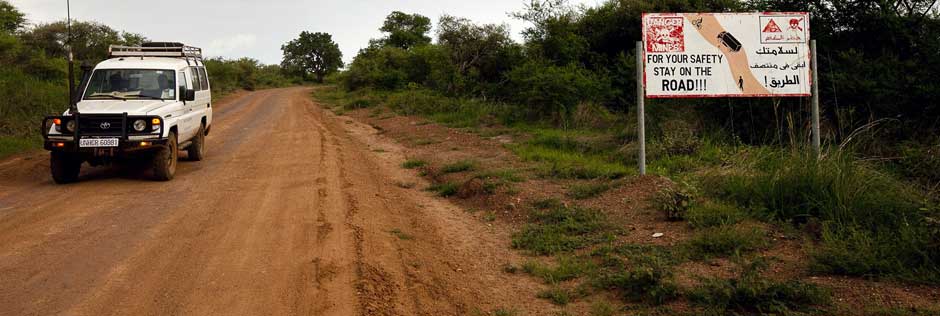
Protect health workers, services, and infrastructure
We promote respect for international humanitarian and human rights laws for the safety of health facilities, health workers, ambulances, and patients during conflict.
The Safeguarding Health in Conflict Coalition promotes the security of health workers and services threatened by war or civil unrest. We monitor attacks on and threats to civilian health; strengthen universal norms of respect for the right to health; demand accountability for perpetrators; and empower providers and civil society groups to be champions for their right to health.
Resolution 2286

Act on Security Council resolution
The UN Security Council should take immediate action to implement its resolution and protect health workers and health care in conflict.
In May 2016, the United Nations Security Council passed Resolution 2286, its first-ever resolution addressing attacks on health services in armed conflict. Resolution 2286 has potentially far-reaching implications: the Council not only condemns attacks and demands compliance with international humanitarian law in armed conflict, but also urges member states and the UN Secretary-General to take proactive steps toward preventing attacks and holding perpetrators accountable.
Yet now—more than seven years since the Security Council adopted the resolution—attacks on hospitals, medical facilities, and health workers continue with impunity. These attacks, and the frequency of them, show the unfulfilled promise of Resolution 2286—in Syria, Afghanistan, and many other countries in conflict around the world where violence on health facilities and personnel bring death and injury.
The Safeguarding Health in Conflict Coalition’s new report, Health Workers at Risk: Violence Against Health documents more than 1,200 incidents of violence in 20 countries in conflict in 2020. As set out in the recommendations of the report, the Coalition calls on the UN Security Council and member states to take concrete steps to implement the resolution and prevent these attacks and end impunity, including:
- Member states should
- Reform their laws to ensure that health workers are never punished for providing health care to someone in need, no matter the identify or affiliation of the person
- Develop military doctrine and training to ensure that health care is respected in all circumstances;
- Decline to sell arms to states and other entities that inflict violence on health workers, facilities, transports and patients;
- Strengthen their procedures for investigating alleged violations of obligations to protect and respect health care in conflict and holding perpetrators accountable;
- Use diplomatic and other means to put pressure on states and other entities that inflict violence health workers, facilities, transports and patients;
- Regularly report to the Secretary General on actions taken to prevent attacks, investigate those that occur, and hold perpetrators accountable.
- The Security Council should
- In cases where a state fails to conduct a credible investigation of alleged violations, authorize thorough, independent investigations of alleged violations and make referrals to the International Criminal Court or other international tribunals as warranted;
- Request that the Secretary-General prepare a report on member state adherence to the requirements of resolution 2286 and makes recommendation on necessary action.
Context

Confront an urgent problem
Assaults on health workers, facilities, and patients are all too common. They take a massive human toll and disrupt the health system in critical ways.
During armed conflict or civil disturbances, assaults on health facilities, health workers, and the patients they serve are all too common. Aside from the human toll they take, these attacks compromise the ability to deliver care to populations in great need, impede efforts to reconstruct health systems after war, and lead to the flight of health workers whose presence in a time of great social stress is essential.
The risks of being a health worker on the frontline
During periods of armed conflict, health workers are at risk of:
- Torture, abuse, kidnapping, and other human rights violations for treating patients on either side of the conflict
- Poor mental health and well-being due to living in troubled locations with the constant threat of attack
- Lack of supplies and vital equipment due to systematic raids
- Forced displacement due to attacks and fear of continued violence.
These dangers contribute to critical shortages in human resources in areas where care is most needed, as well as decreased efficacy of health professionals, wastage of millions of dollars in aid, and loss of human capital through migration.
Obstructions to routine health care delivery
Assaults not only result in obstructed access to health services but pose a formidable challenge to health systems, limiting the effective operation of health systems during instability and impeding the development of health infrastructure and meeting human resources needs once stability returns.
The legal framework for protection
The Geneva Conventions of 1949 and the Additional Protocols of 1977 mandate the protection of medical facilities, personnel, and patients; the humane treatment of civilians; the right of access to care; and the nondiscriminatory treatment of the ill and wounded in time of war. International Human Rights Law is the only international legal framework governing situations of internal violence and continues to apply during armed conflicts.
Join Us

Work together to bring about change
The Safeguarding Health in Conflict coalition is a group of international NGOs working together to protect health workers, services, and infrastructure.
Membership in the Safeguarding Health in Conflict Coalition is open to organizations that share its purpose and commit to actively supporting its objectives. Applications for membership are approved by the Steering Committee upon submission of a written request to join the coalition. Each organizational member has one vote. With the approval of the Steering Committee, non-member organizations may participate in coalition meetings as observers and be included in the distribution of correspondence and information.
Latest News


Interactive MAPS

