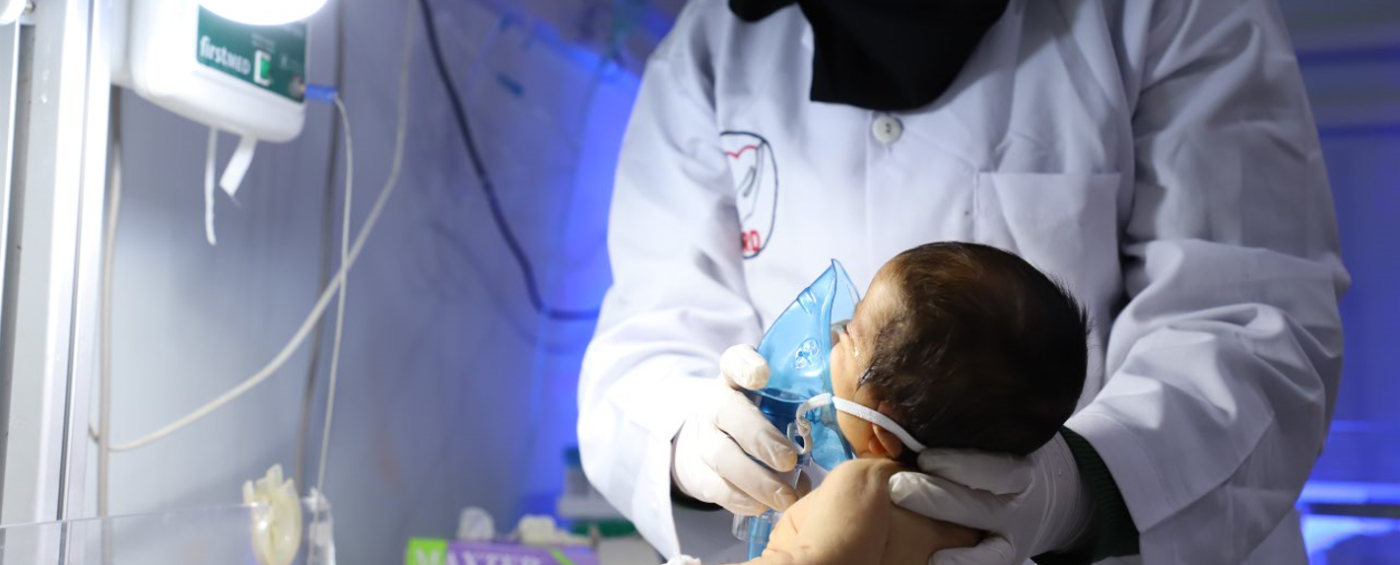
Physicians for Human Rights, International Rescue Committee, Syria Relief & Development, and Syrian American Medical Society – Report
Attacking health care facilities has been a deliberate tactic in the Syrian conflict, which is now 12 years old. Even as international recognition of the systematic nature of these attacks has grown in response to widespread documentation of assaults, impunity for perpetrators continues.
All parties to the conflict have perpetrated numerous acts of violence in violation of international humanitarian law (IHL). In the face of substantial evidence, however, member states of the United Nations have taken limited action to hold those responsible to account, or to protect health workers and the provision of vital health care services.
Today, international headlines rarely feature the Syrian conflict. Yet, the war in Syria is far from over. Indeed, since the 2020 ceasefire, three aerial bombardments have been carried out on health care facilities.
The long-term and cumulative impacts of the conflict have generated a health care crisis for the 4.6 million civilians in northwest Syria. Almost half of this population is female. Understanding how these attacks reduce availability and access to care for women and girls, including sexual and reproductive health (SRH) services, is vital to protect the human right to health, and to promote advocacy efforts in Syria and beyond.
Based on primary data collected in northwest Syria, this report shines a light on the daily experiences of health care staff who provide SRH services, and, in turn, the patients who try to access these services. Providing health care is ever more tenuous there: during the month of November 2022, almost a million medical procedures took place with supplies and equipment that entered Syria as part of the cross-border operation implemented through the use of the Bab al-Hawa crossing. While the impact of the violence in Syria on health care has been widely documented, the existing literature on the impact of violence on the provision of SRH care is scant. This report contributes to a greater understanding of this underexamined crisis.
Read the full report here.